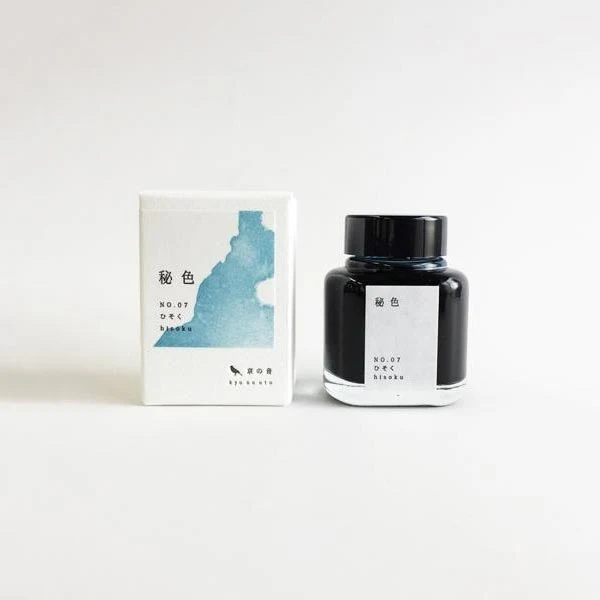
Kyoto Ink Kyo-no-oto 40ml Bottled Ink- Hisoku

Kyo no oto
40ml Bottled Ink
Kyo-no-oto fountain pen inks are made in Kyoto, Japan. They are crafted according traditional Japanese dyeing techniques. These colors are Japanese traditional colors that has been used since heian era (roughly 1000 years ago), which are the expression of its history and profound culture for a long time.
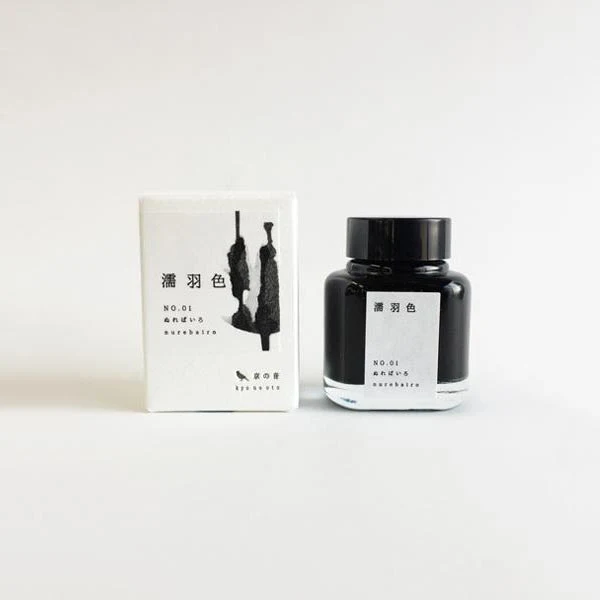
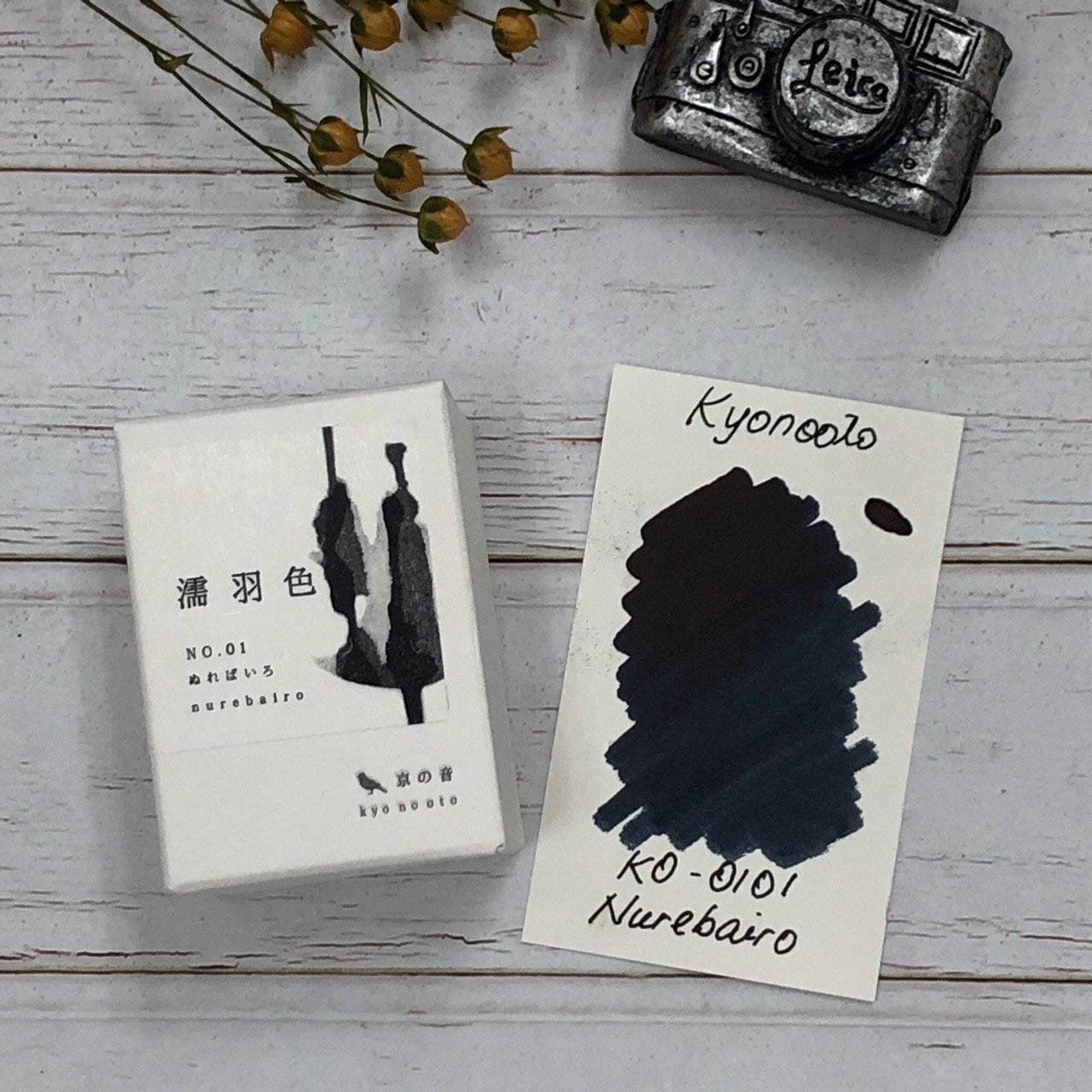
NO.01 Nurebairo 濡羽色

This cool black ink is inspired by women's glamorous raven-colored hair, which has enchanted many for centuries.
NO.02 Imayouiro 今様色

“Imayouiro” is a safflower red color that had been getting attention in heian era which means what Japanese ancestors called “modern color”. It had been preferred by women.
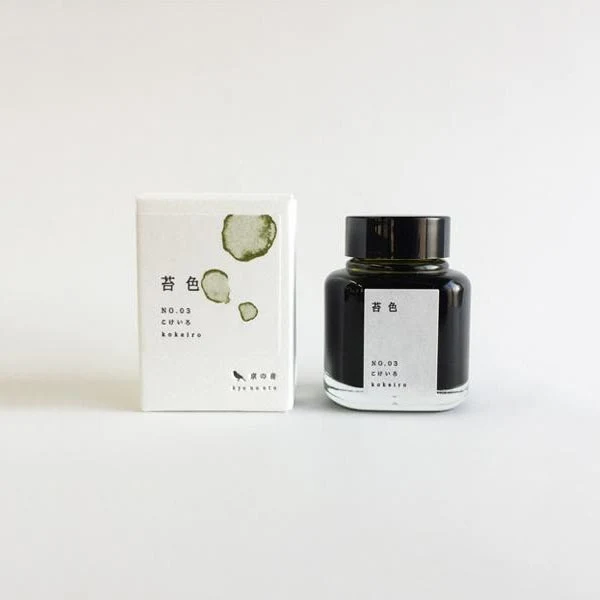
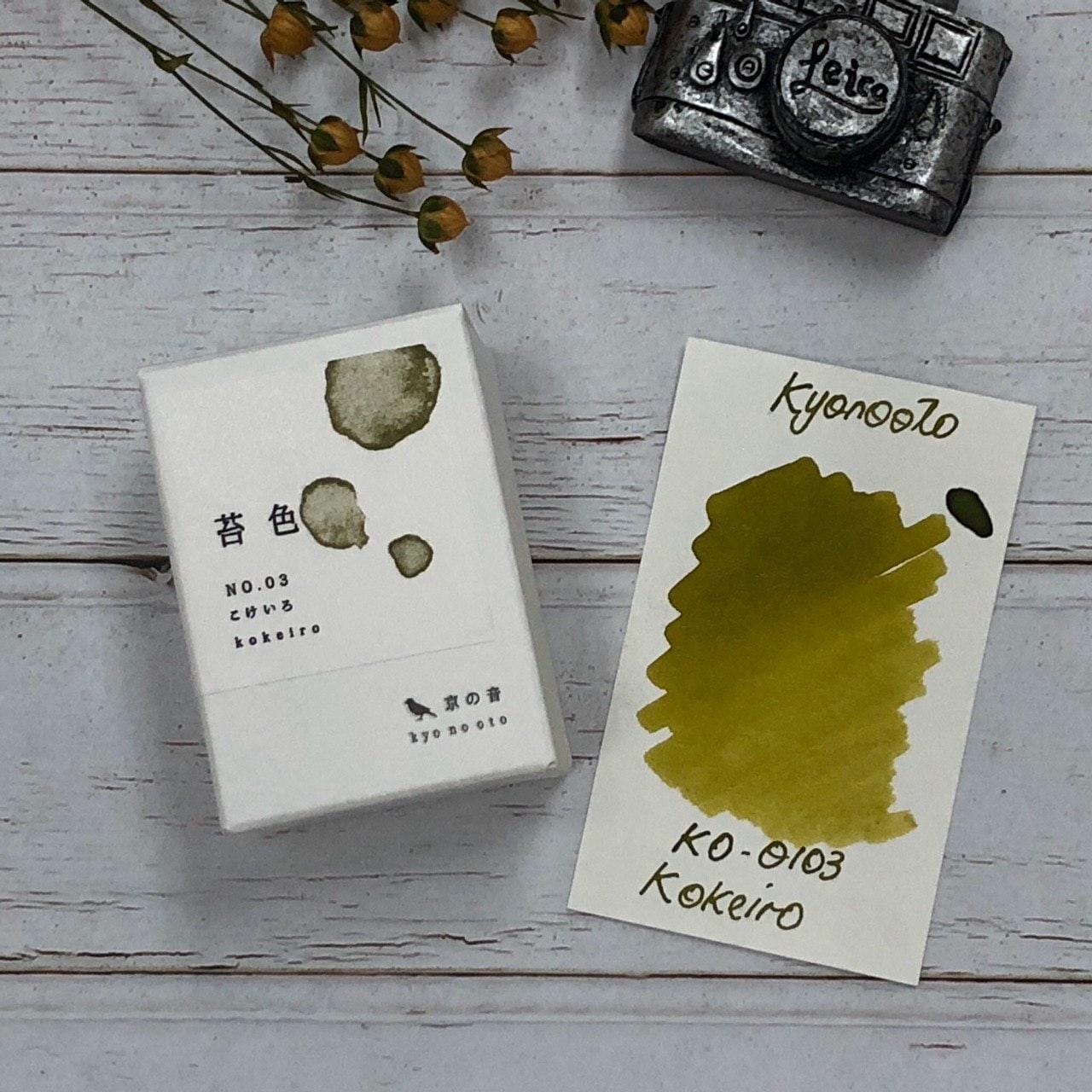
NO.03 Kokeiro 苔色

“Kokeiro” was made being inspired by one of the Japanese aesthetics “Wasabi”. It is located in the garden of Kyoto with the glimpse of culture of Kyoto.
NO.04 Yamabuki 山吹色

“yamabuki” is the plant rosaceae kerria genus. This color means a brilliant red tinged gold just like “Yamabuki”. This color has been used since ancient times.
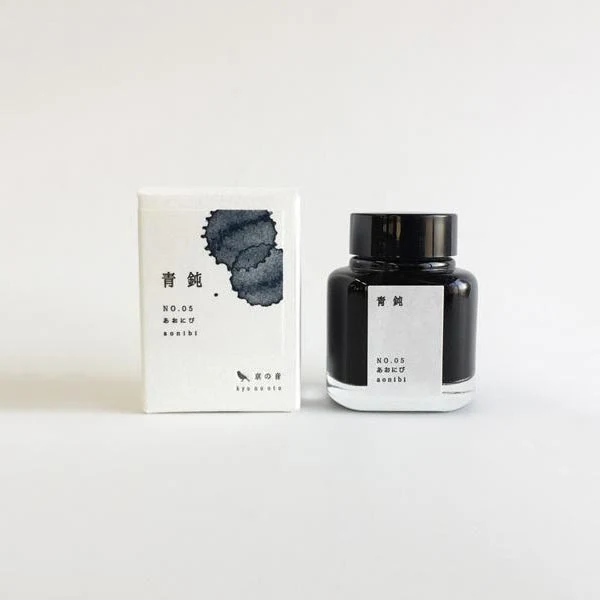
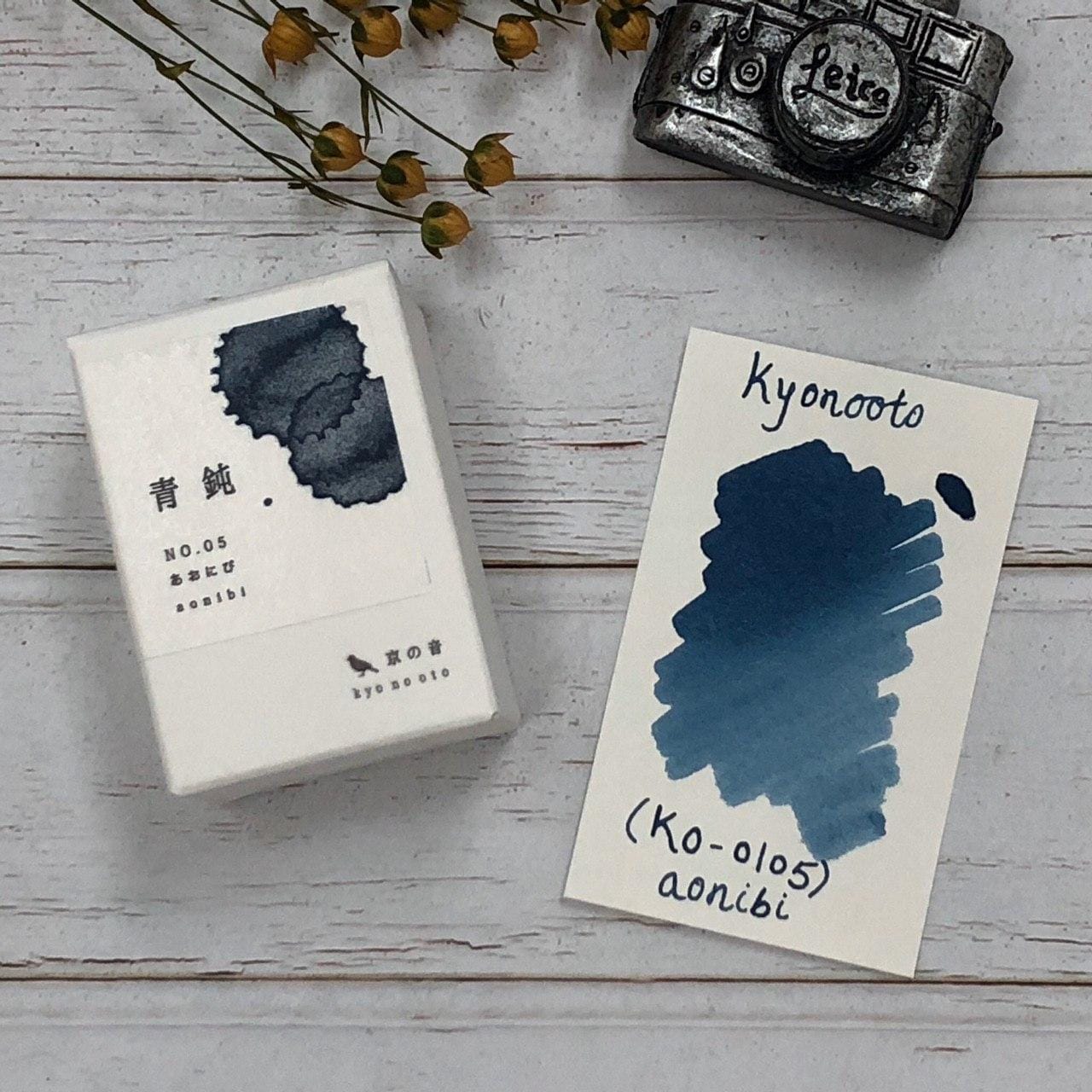
NO.05 Aonibi 青鈍

Moon floating in the dark sky, the Kyoto city with silent moonlight. “Aonibi” is the combination of color between pale black and indigo. It represents dignified atmosphere in the deep pale night sky.
NO.06 Adzuki 小豆色

“Adzuki” color refers to reddish brown with purple, just like red bean. Red has been used as a color of prayer since long ago; red rice with red beans is indispensable for celebrations and occasions.
NO.07 Hisoku 秘色

“Hisoku” is a pale green color like the color of a celadon, and this color name is attached because the blue green color with a gray unique ash is a mysterious beauty.
NO.08 Urahairo 裏葉色

“Urahairo” can be translated to English as underside of a leaf. 'Ura' means 'underside' and 'Ha' means 'leaf. Since the Heianera when Kyoto was the capital of Japan, people loved this color and used it for coloring of textile for Kimono, towels, baby cloths and etc.This ink brings a pale and subdued green just like sunlight falls down though the leaves into your eyes.
NO.08a Moegiiro 萌黄色

Moegiiro is a dull yellow-green like fresh green sprout in early spring. The color was in fasion in Heian era as a color of youngsters. In the tales of Heike, The prince of Heike, Taira no Atsumori, and the Kyudo(Japanese archery)master, Nasuno Yoichi, are buckeled on moegiiro armours as the symbol of young warrior.
NO.09 Keshimurasaki 滅紫

This ink brings a shadowy and smoky purple called ‘Keshimurasaki’. ‘keshi’ means ‘offset’ and ‘Murasaki’ means purple. ‘Keshimurasaki’ was typically used for formal kimono dresses during the Heian-era (The 8th century to the 12th century) when Kyoto was the capital of Japan.
NO.09a Sakuranezumi 桜鼠

Sakuranezumi is a shadowy cherry-pink color intend to reflect dismal feeling after losing someone you loved. 'n ezumi' stands for a gray of mouse color, and 'sakura' means cherry-pink. The color follows one of the stories in a traditonal poem collection called 'Kokinwaka-shu' written in Heian period of Japan.
NO.10 Ochiguriiro 落栗色

Ochiguriiro is a color of chestnut and coal-brown. Ochiguri means a fallen chestnut on the ground. This brown is a blackish coal like color first, and it turns into a tannish chestnut brown after shading. In Tale of Genji, a classic literature of Japan which is written in Heian period (11th century), it is described as a popular brown color used for ladies' kimono.
Original: $28.50
-65%$28.50
$9.97Product Information
Product Information
Shipping & Returns
Shipping & Returns
Description
Kyo no oto
40ml Bottled Ink
Kyo-no-oto fountain pen inks are made in Kyoto, Japan. They are crafted according traditional Japanese dyeing techniques. These colors are Japanese traditional colors that has been used since heian era (roughly 1000 years ago), which are the expression of its history and profound culture for a long time.
NO.01 Nurebairo 濡羽色
This cool black ink is inspired by women's glamorous raven-colored hair, which has enchanted many for centuries.
NO.02 Imayouiro 今様色
“Imayouiro” is a safflower red color that had been getting attention in heian era which means what Japanese ancestors called “modern color”. It had been preferred by women.
NO.03 Kokeiro 苔色
“Kokeiro” was made being inspired by one of the Japanese aesthetics “Wasabi”. It is located in the garden of Kyoto with the glimpse of culture of Kyoto.
NO.04 Yamabuki 山吹色
“yamabuki” is the plant rosaceae kerria genus. This color means a brilliant red tinged gold just like “Yamabuki”. This color has been used since ancient times.
NO.05 Aonibi 青鈍
Moon floating in the dark sky, the Kyoto city with silent moonlight. “Aonibi” is the combination of color between pale black and indigo. It represents dignified atmosphere in the deep pale night sky.
NO.06 Adzuki 小豆色
“Adzuki” color refers to reddish brown with purple, just like red bean. Red has been used as a color of prayer since long ago; red rice with red beans is indispensable for celebrations and occasions.
NO.07 Hisoku 秘色
“Hisoku” is a pale green color like the color of a celadon, and this color name is attached because the blue green color with a gray unique ash is a mysterious beauty.
NO.08 Urahairo 裏葉色
“Urahairo” can be translated to English as underside of a leaf. 'Ura' means 'underside' and 'Ha' means 'leaf. Since the Heianera when Kyoto was the capital of Japan, people loved this color and used it for coloring of textile for Kimono, towels, baby cloths and etc.This ink brings a pale and subdued green just like sunlight falls down though the leaves into your eyes.
NO.08a Moegiiro 萌黄色
Moegiiro is a dull yellow-green like fresh green sprout in early spring. The color was in fasion in Heian era as a color of youngsters. In the tales of Heike, The prince of Heike, Taira no Atsumori, and the Kyudo(Japanese archery)master, Nasuno Yoichi, are buckeled on moegiiro armours as the symbol of young warrior.
NO.09 Keshimurasaki 滅紫
This ink brings a shadowy and smoky purple called ‘Keshimurasaki’. ‘keshi’ means ‘offset’ and ‘Murasaki’ means purple. ‘Keshimurasaki’ was typically used for formal kimono dresses during the Heian-era (The 8th century to the 12th century) when Kyoto was the capital of Japan.
NO.09a Sakuranezumi 桜鼠
Sakuranezumi is a shadowy cherry-pink color intend to reflect dismal feeling after losing someone you loved. 'n ezumi' stands for a gray of mouse color, and 'sakura' means cherry-pink. The color follows one of the stories in a traditonal poem collection called 'Kokinwaka-shu' written in Heian period of Japan.
NO.10 Ochiguriiro 落栗色
Ochiguriiro is a color of chestnut and coal-brown. Ochiguri means a fallen chestnut on the ground. This brown is a blackish coal like color first, and it turns into a tannish chestnut brown after shading. In Tale of Genji, a classic literature of Japan which is written in Heian period (11th century), it is described as a popular brown color used for ladies' kimono.